Architectural Canopies
Architectural canopies occupy a critical position in the built environment, typically located at entrances, thresholds and transition spaces they are often the first point of engagement between a building and its users; When designed as an integral part of the building envelope, canopies become architectural statements in their own right.
Integrating Material, Light and Identity
While their primary function is to provide shelter, contemporary canopy design goes far beyond protection from the elements.
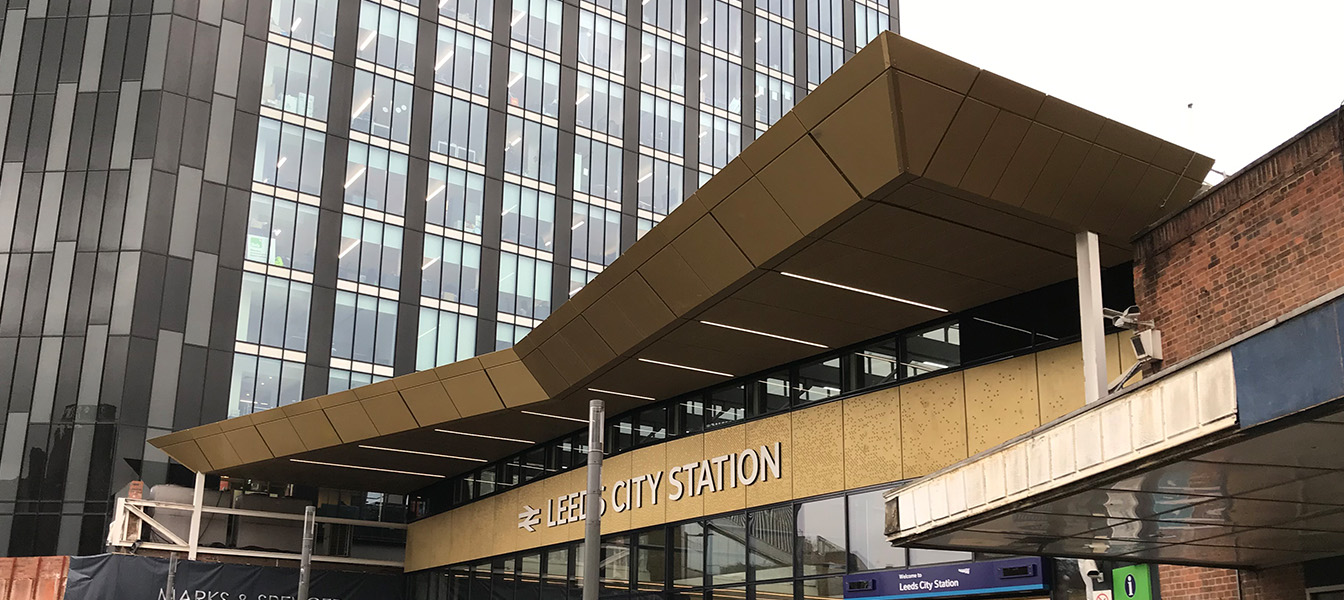
It combines structure, materiality and can also include illuminated or non-illuminated signage, illuminated soffits or lighting features to create clarity, identity and presence.

Access Review

Background Survey
A well-considered canopy does more than cover an entrance, it defines arrival, reinforces circulation routes and contributes to the overall architectural language of a building.

The Canopy as Architecture
Whether projecting from a façade or spanning between structures, its form and finish must align with the wider design intent.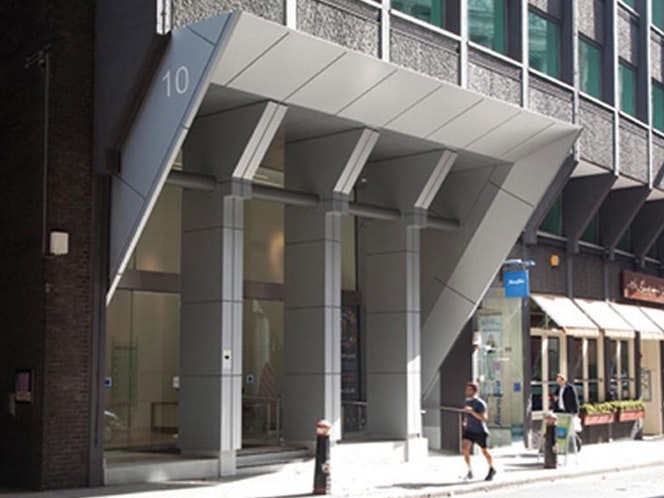
The use of architectural metals such as Aluminium, Stainless Steel and Corten Steel to name a few allows canopies to achieve both visual precision and long-term durability.

Integrated Design Features

Specialist Finishes
Supporting clean lines, minimal structural profiles and bespoke fabrication, making them well suited to modern buildings where detailing and consistency are critical.

Material Expression and Visual Impact
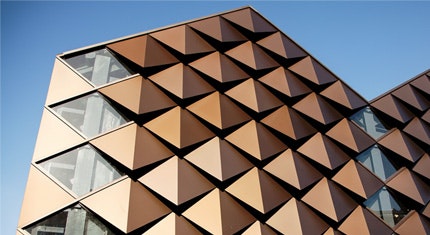
The visual character of a canopy is closely tied to its material finish; Crisp, folded metal forms can echo contemporary façades, while more expressive surfaces can introduce contrast and depth at key points of interaction.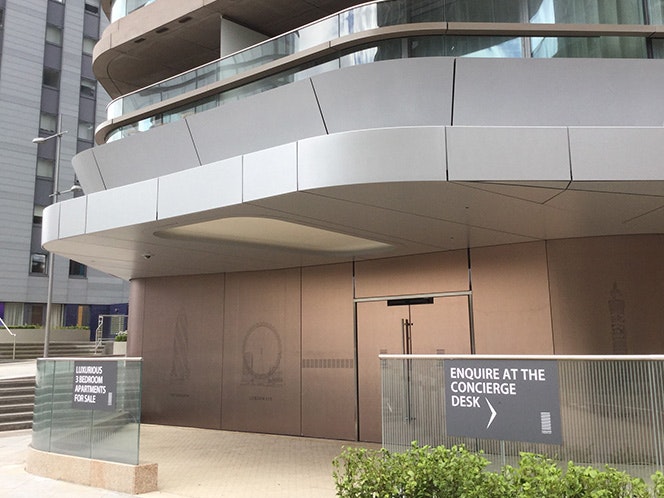
The choice of metal influences not only appearance, but also performance, maintenance requirements and lifespan, all essential considerations at specification stage; Canopies can be finished to complement adjacent cladding, glazing and signage systems, helping entrances feel intentional rather than applied.
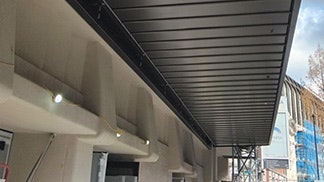
Anodised Aluminium

Integrated Lighting
Subtle detailing, tight tolerances and concealed fixings contribute to a refined outcome that enhances the overall perception of the building.
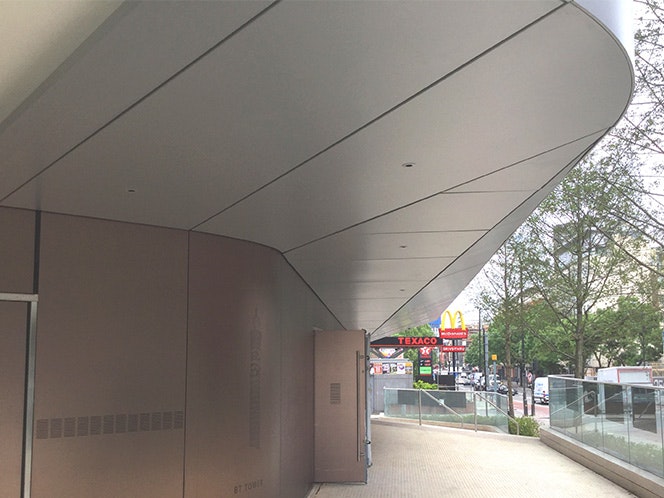
Illuminated Signage as an Integrated Element
Increasingly, architectural canopies are used as a framework for illuminated signage rather than simply a mounting surface.
Integrating lighting and graphics directly into the canopy structure creates a cohesive solution where branding, wayfinding and architecture work together, illuminated lettering, logos and graphic elements can be incorporated into the canopy face, soffits or folded returns.

Digitally Printed Graphics

Built Up Lettering
While discreet LED lighting provides both functional illumination and visual emphasis, this approach improves legibility at night, enhances safety and ensures the building remains identifiable across varying light conditions without the need for additional signage clutter.

Designing for Performance and Longevity
Successful canopy design requires careful coordination between structure, materials, lighting systems, drainage, weather resistance and thermal movement, particularly when combining different metals or integrating electrical components.
Attention to detail is essential: concealed cable routes, accessible maintenance points and appropriate lighting protection ensure the canopy continues to perform as intended over time.

3D Modelling for Precision

Bespoke Manufacturing
When these considerations are embedded in the design process, the result is a robust, low-maintenance architectural feature that ages well alongside the building.
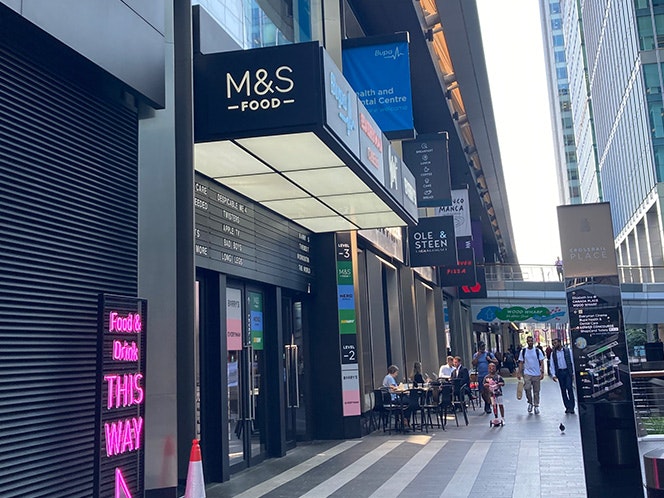
Canopies as Brand and Wayfinding Architecture
Beyond function, canopies play a growing role in expressing brand identity. Positioned at eye level and often illuminated, they are ideally placed to communicate a building’s purpose and character. Whether subtle and restrained or bold and expressive, a well-designed canopy reinforces identity while supporting intuitive wayfinding.
In commercial, civic and public environments, this integration of structure, material and specialist finishes helps to create welcoming spaces that feel considered and coherent.

Where Engineering and Architecture Converge
Architectural canopies have evolved into multifunctional elements that combine shelter, structure, material expression and illumination; By integrating various materials with thoughtfully designed lighting and signage, canopies become purposeful architectural features rather than secondary additions.
When designed holistically, they enhance both the building and the user experience, defining entrances, improving visibility and contributing to a strong, lasting identity.