Architectural Column Cladding
Columns are no longer treated as purely structural elements. Increasingly, they are considered part of the architectural language, surfaces that can define rhythm, materiality and experience within a space.
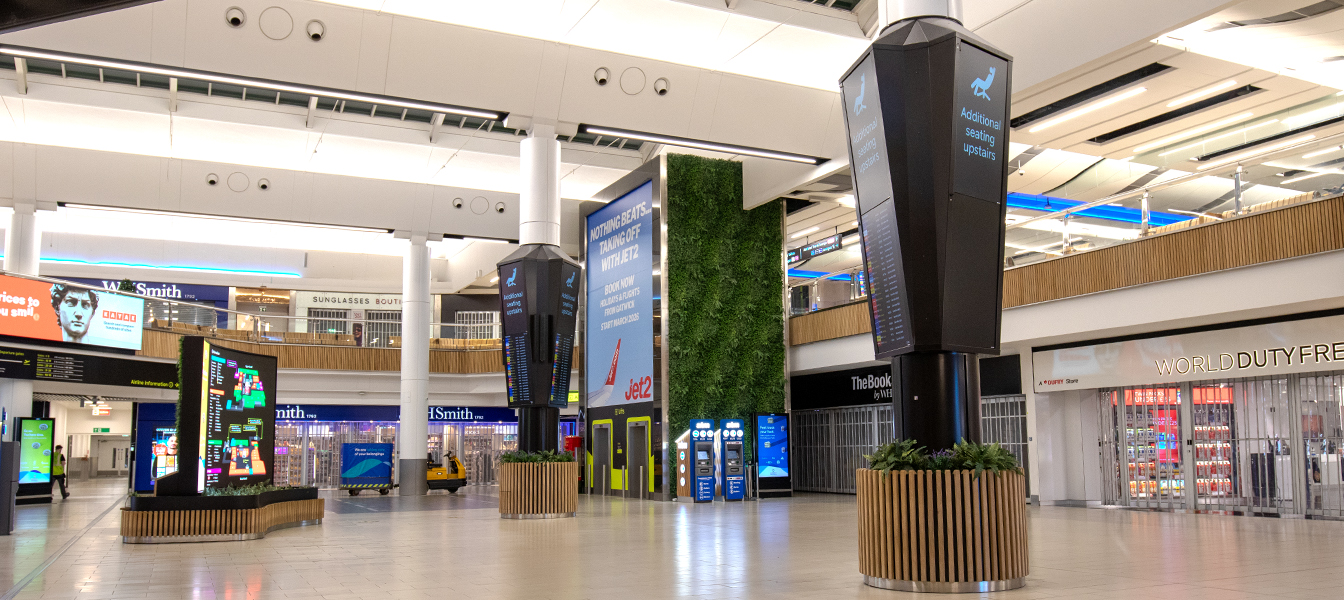
From Structure to Feature
At its core, column cladding is about transformation, bespoke casings wrap structural steel or concrete, allowing columns to move from background necessity to architectural feature.
Geometry without limitation
NES Solutions column cladding systems can be formed to curves, angles or complex profiles, responding to both design intent and existing structural conditions

CNC Rolling

Bespoke Sizes
Material as a design tool
Aluminium, Stainless Steel, Corten and Brass introduce tone, texture and depth into a space.
Detail through concealment
Hidden fixing strategies maintain clean, uninterrupted surfaces, reinforcing a sense of precision.
Materiality and Atmosphere
The choice of material plays a defining role in how column cladding is perceived.- Aluminium offers consistency and durability.
- Stainless steel delivers clarity and refinement, often used in high-specification projects.
- Corten steel introduces depth and evolving patina, particularly suited to transport and civic environments.
- Brass brings warmth and a finish that matures over time.

Each material carries its own architectural language, allowing columns to either integrate seamlessly or stand apart as focal elements.

Performance in Demanding Environments
Beyond aesthetics, column cladding must perform. Projects NES Solutions have completed in UK Airports demonstrate how systems are engineered to meet complex requirement, ranging from durability and fire performance to acoustic integration and maintenance access.
Concealed, removable panels allow access to services, while robust finishes are selected to withstand high-traffic environments without compromising visual quality.
A System, Not a Surface
At NES Solutions we design column cladding that:- Aligns with façade or interior cladding strategies.
- Incorporates lighting or acoustic performance.
- Reinforces spatial identity through repetition and rhythm.

This integrated approach reflects a broader shift in architectural metalwork, where fabrication, engineering and design operate as a single process rather than separate disciplines.
Column cladding is ultimately about intent
It takes a necessary structural element and redefines how it is experienced, through geometry, material, and detail.
When designed and delivered as a complete system, it allows columns to do more than support a building; they contribute to its identity.


