Torsion & Load Testing for Safety, Compliance and Confidence
In construction and safety-critical industries, the integrity of fixings and anchors is not something that can be assumed, it must be proven. That’s where testing plays a vital role.
Why Testing Matters
At its core, testing is a method used to verify that installed fixings can withstand the loads they are designed for, whether it’s façade systems, safety harness anchors, structural connections or signage fixings, the consequences of failure can be severe, testing provides assurance, not just for compliance, but for long-term performance.
What is Torsion & Load Testing?
Testing involves applying a controlled tensile load to a fixing or bonded material to measure its strength and performance under stress, in service design loads and/or impact resistance loads when set up in a suitable rig, the aim is to confirm:- The fixing has been installed correctly
- The substrate material is suitable
- The system meets required safety standards
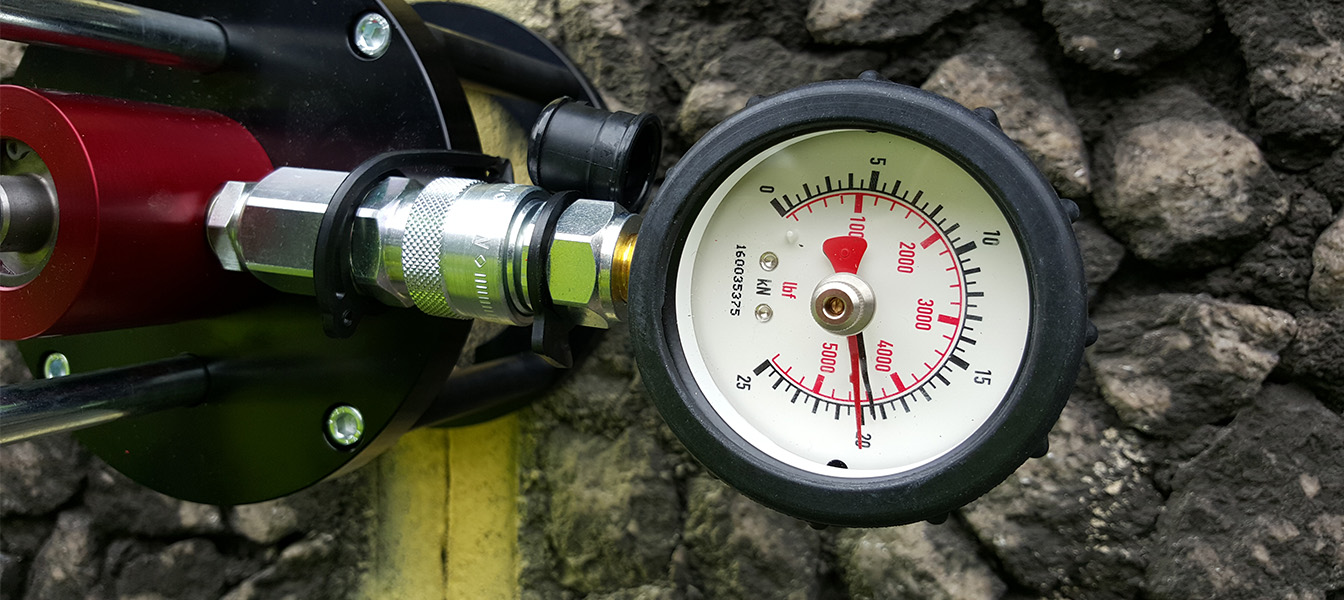
- Using our specialist testing equipment, engineers can apply a measured load and record the exact force at which movement or failure occurs.

How Our Testing Equipment Supports Accurate Results
Our testing equipment is designed to deliver reliable, repeatable and accurate measurements across a wide range of applications. It allows controlled loading and precise force measurement, ensuring every test is carried out to industry expectations. Key capabilities include:- Testing fixings, anchors, and fasteners across multiple substrate types
- Applying controlled loads suitable for medium-duty and safety-critical applications
- Providing accurate readings for clear, traceable reporting
- Identifying initial movement before full failure load is reached
- Continuous in‑process testing to validate substrate integrity, particularly for materials that are aged or irregular, undocumented or of unknown origin, or to deliver a comprehensive report suitable for insurers.

This ensures not just pass/fail outcomes, but meaningful insight into how a fixing or design performs under real-world conditions.
In addition to site-based testing, we also utilise this equipment to carry out in-house checks to confirm and assess structural integrity, supporting ongoing quality assurance and ensuring systems remain safe and compliant throughout their lifecycle.


Applications
Testing is essential across a wide range of scenarios, including:- Anchor and Fixing Verification - Ensuring anchors meet required load capacities and are installed correctly.
- Safety-Critical Systems - Testing hoist points on structures and fall arrest systems to comply with relevant standards such as BS EN 795.
- Material Bond Testing - Assessing the tensile strength of bonded materials such as concrete repairs, coatings, and resin systems.
- Quality Assurance and Compliance - Supporting compliance with industry standards and providing documented evidence for project sign-off.

Why Testing Should Never Be Overlooked
Fixings are often hidden once installed, making visual inspection insufficient, without testing there is no reliable way to confirm:- Load capacity
- Installation quality
- Long-term performance

The Value of Testing
While equipment plays a key role, the accuracy and reliability of results depend on correct setup, execution and interpretation. Using trained engineers and calibrated testing equipment ensures:- Correct test configuration
- Safe and controlled load application
- Accurate, auditable reporting